



Rebuilding Team Dynamics: How Wellbeing Can Help After Change
Whether due to layoffs, rapid hiring, or internal restructuring, periods of change can leave teams feeling unsettled. Research shows that 60% of employees feel less connected after significant organisational change, which can affect engagement, collaboration, and productivity.
Change creates stress and uncertainty, not only for those directly affected but also for those who remain. At the same time, HR leaders and managers face the challenge of maintaining performance while supporting people emotionally.
(Reading Time: 4′)
Understanding the Challenge
During periods of change, teams often experience:
- Isolation for new hires: Rapid onboarding can leave employees feeling disconnected or unclear on expectations.
- Reduced morale after layoffs: Employees may experience stress, anxiety, or uncertainty about their future.
- Manager pressure: Leaders must balance delivering results while supporting emotional wellbeing.
Without a deliberate approach, these factors can reduce engagement, increase absenteeism, and even cause talent loss.
How Wellbeing Can Support Team Recovery
Practical wellbeing interventions can re-establish connection, build trust, and support productivity:
- Structured check-ins: Small group or 1:1 meetings help managers understand how employees are coping and clarify expectations.
- Wellbeing sessions: Office yoga, meditation, or sound healing sessions can reduce stress and foster focus, while signalling that the organisation values mental and physical health (see offerings here).
- Team integration activities: Cross-functional projects, peer mentorship, and social moments help employees bond and rebuild a sense of belonging.
- Leadership visibility: Leaders modelling healthy behaviours (taking breaks, encouraging openness, recognising effort) normalises wellbeing in the workplace.
- Measuring impact: Track engagement, absenteeism, and participation to demonstrate tangible improvements and support ESG Social reporting.
Making the Business Case: Justifying Wellbeing Spend
Budget constraints, headcount reductions, or rapid hiring can make wellbeing initiatives seem like a luxury. But in reality, these are precisely the moments when support matters most.
Here’s how to make a credible case:
- Reframe wellbeing as a stabiliser, not a perk: After layoffs or onboarding surges, wellbeing helps teams recover capacity, focus, and collaboration. Stress, burnout, and disengagement are measurable risks, costing more than a small wellbeing investment.
- Start small and leverage existing resources: Use brief online or in-person sessions, or integrate wellbeing into existing meetings. Even short, consistent interventions can have measurable impact.
- Align with business pain points: Frame wellbeing as recovery after redundancies or as integration support for new hires — showing it addresses current organisational priorities.
- Quantify the trade-off: The cost of replacing a mid-level employee is around £25,000–£30,000. Stress-related absence is a leading cause of long-term sickness in the UK. Simple wellbeing initiatives can reduce absenteeism by 15–20% and improve morale.
- Build credibility with data and feedback: Track engagement, mood, and participation metrics. A short pilot with positive results can justify future investment.
Why This Matters for Business
Embedding wellbeing into team recovery drives measurable results:
- Teams that engage in structured wellbeing practices show a 23% increase in engagement and a 15% decrease in absenteeism.
- Wellbeing initiatives strengthen ESG Social reporting, enhancing competitiveness in tenders or audits.
- A wellbeing-focused culture enhances retention, attracts talent, and reinforces your employer brand.
Practical Takeaways
- Communicate openly and empathetically: share context, acknowledge uncertainty, and encourage dialogue.
- Invest in structured wellbeing programmes: even one-off yoga or sound bath sessions make a measurable difference. https://re-set-pause.com/office-yoga/
- Include leaders in modelling wellbeing: employees emulate visible behaviour.
- Integrate new hires quickly: use buddy systems or small group activities.
- Track and celebrate progress: demonstrate the impact of wellbeing initiatives on cohesion and performance.
Periods of change don’t have to lead to disengagement. By embedding wellbeing into your strategy, organisations can rebuild trust, strengthen team dynamics, and maintain productivity, even in challenging times.
Explore how office yoga and other wellbeing initiatives can support your team: https://re-set-pause.com/office-yoga/
Sources:
PMC Study: Effects of Organisational Change on Employee Wellbeing https://pmc.ncbi.nlm.nih.gov/articles/PMC6932979/
CIPD: Health and Wellbeing at Work https://www.cipd.org/globalassets/media/knowledge/knowledge-hub/reports/2025-pdfs/8920-Health-and-wellbeing-report-2025-/
Gallup: State of the Global Workplace https://www.gallup.com/workplace/349484/state-of-the-global-workplace.aspx

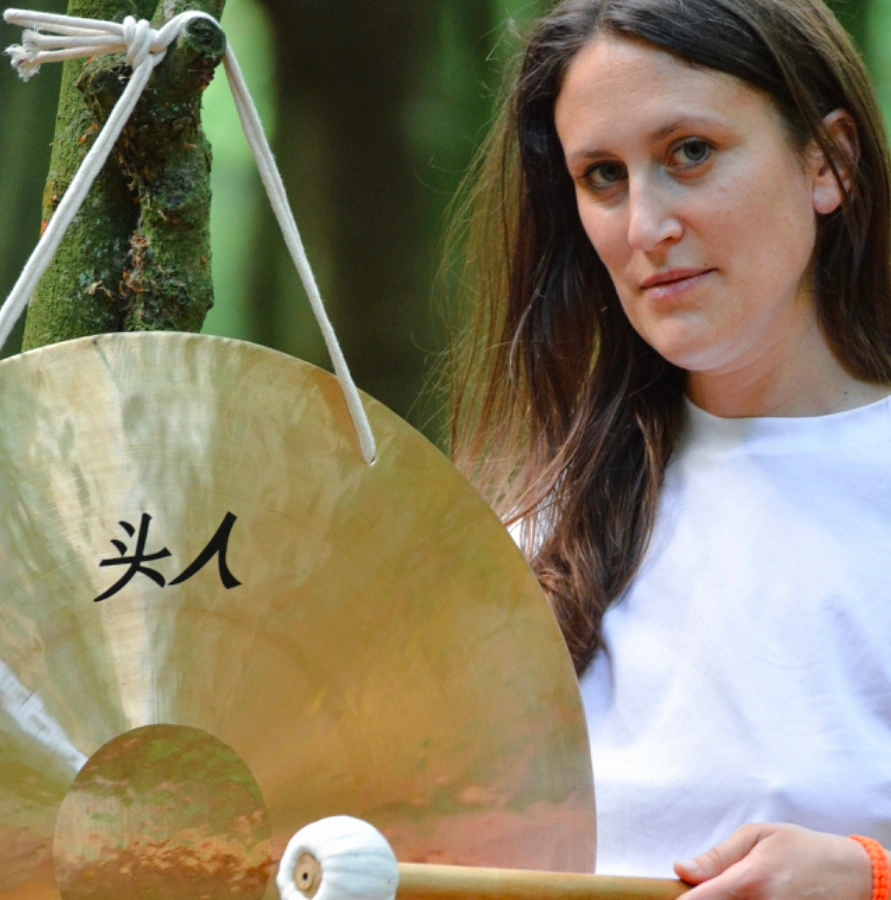
Eleonora is the founder of Re-Set-Pause. She is a RYT550 yoga teacher and a certified Ayurvedic Yoga Massage and Pre/Post Massage therapist.
Looking to implement a wellbeing strategy in your company?
Get in touch to make it happen.
New to Re-Set-Pause?
Eleonora is the founder of Re-Set-Pause, a qualified Ayurvedic Yoga Massage therapist and a Yoga teacher based in East London. You can book a mobile treatment in Walthamstow, Leyton and Highams Park or in studio at Pause or East of Eden.
LOCATIONS: Walthamstow | Leyton | Highams Park
© 2026 Re-Set-Pause | Photography ©Yan Krukau