



How to Support Workplace Stress Management and Improve Sleep Deficiency
According to a 2023 survey by Mental Health UK, 1 in 3 British adults report severe sleep difficulties, often linked to ineffective workplace stress management and mental health concerns. Furthermore, while the NHS recommends 7–9 hours of sleep per night for adults, many UK workers regularly fall short, which leads to widespread health and performance issues.
Moreover, research by RAND Europe estimated that the UK loses 200,000 working days annually due to sleep deprivation, resulting in an economic cost of £40 billion per year, or 1.9% of GDP.
(Reading Time: 4′)
How Poor Workplace Stress Management Disrupts Sleep
Stress is a primary disruptor of healthy sleep patterns. Specifically, chronic stress leads to an overactive hypothalamic-pituitary-adrenal (HPA) axis, which in turn triggers excessive cortisol release. This hormonal imbalance delays sleep onset, fragments deep sleep, and increases night-time waking. In fact, a study from King’s College London found that 73% of participants experiencing high workplace stress also reported insomnia or disturbed sleep.
Moreover, workplace culture in the UK—especially in sectors like finance, legal, tech, and architecture, often demands long hours, digital availability after-hours, and a high mental load. Consequently, these factors create a persistent state of hyperarousal in the nervous system, making restorative sleep increasingly difficult to achieve.
Furthermore, poor sleep among employees leads to more than just grogginess; it reduces focus, impairs decision-making, and increases both presenteeism and sick days. As a result, the Chartered Institute of Personnel and Development (CIPD) warns that employers who ignore sleep health risk lower productivity, higher turnover, and increased mental health claims..
How Corporate Yoga Can Help
Unlike passive wellbeing schemes, yoga actively integrates movement, breathing and meditation, targeting both the physical and neurological consequences of stress.
A study conducted by the University of Westminster found that employees who participated in an 8-week workplace yoga programme reported:
- Significant improvements in sleep quality
- Lower levels of occupational stress
- Reduced symptoms of anxiety and fatigue
Similar findings were reported in a British Psychological Society publication, which highlighted yoga’s effectiveness in enhancing autonomic nervous system regulation, the key to moving out of “fight-or-flight” and into rest-and-repair mode.
Ready to invest in your team’s wellbeing? Learn more about office yoga programs here and start creating a healthier, more creative workplace today!

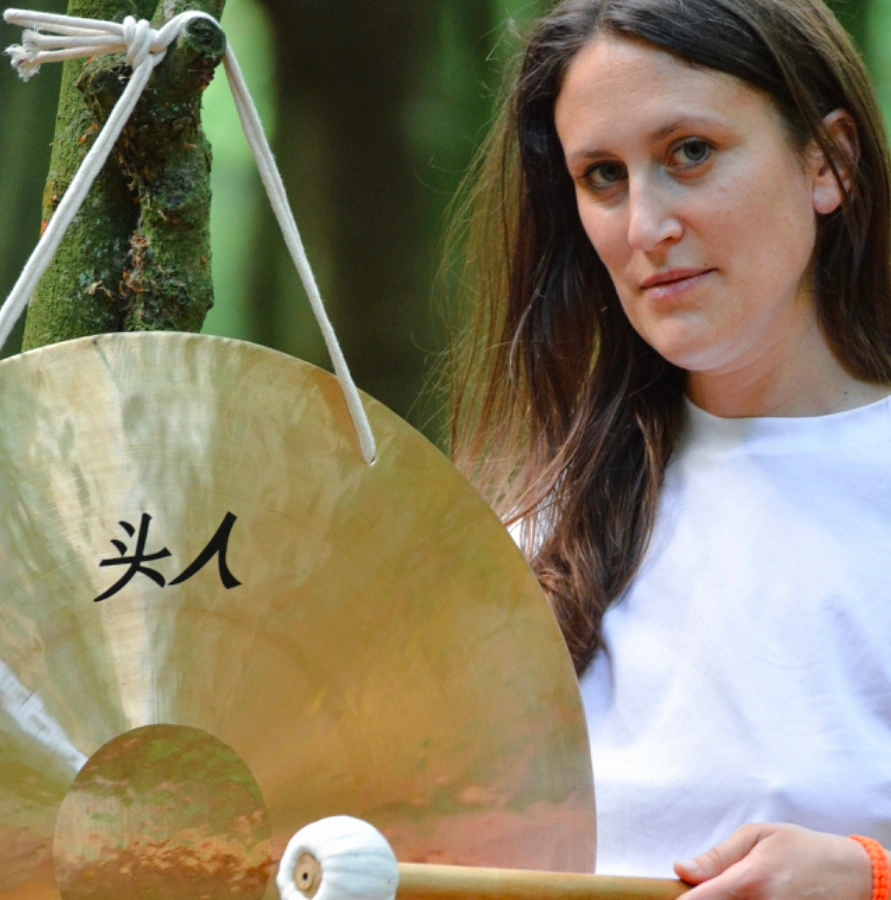
Eleonora is the founder of Re-Set-Pause. She is a RYT550 yoga teacher and a certified Ayurvedic Yoga Massage and Pre/Post Massage therapist.
Looking to implement a wellbeing strategy in your company?
Get in touch to make it happen.
New to Re-Set-Pause?
Eleonora is the founder of Re-Set-Pause, a qualified Ayurvedic Yoga Massage therapist and a Yoga teacher based in East London. You can book a mobile treatment in Walthamstow, Leyton and Highams Park or in studio at Pause or East of Eden.
LOCATIONS: Walthamstow | Leyton | Highams Park
© 2026 Re-Set-Pause | Photography ©Nubelson Fernandes