



Multitasking at Work? Your Brain Might Be Paying the Price
As a self-proclaimed queen of multitasking at work, I’ve learned the hard way that true productivity and creativity are almost impossible without prioritising mental health. We often wear multitasking like a badge of honour.
Checking emails during meetings, replying to messages while writing reports, and jumping between tasks without a clear set of priorities. It can feel efficient, even necessary, especially in fast-paced work environments. But science tells a different story, and the toll it takes is deeper than just scattered attention.
(Reading Time: 4′)
The Multitasking Productivity Myth
Multitasking at work isn’t true parallel processing, it’s task switching. According to the American Psychological Association, rapidly shifting between tasks can reduce productivity by up to 40%. Each time we move from one task to another — say, from a meeting to an inbox to a document — our brain goes through what researchers call a “reorientation phase.”
This mental transition might only take seconds, but it depletes cognitive resources and increases stress. The more we switch, the more fatigued we become. Over time, this leads to:
- Mental fatigue
- Decision fatigue
- Burnout
- Lower work satisfaction
But this isn’t just a matter of feeling tired or distracted. The effects of constant switching extend into our biology, particularly in how our body regulates stress.
The Cortisol Connection
Cortisol, the body’s primary stress hormone, is a key player in how we experience and recover from daily demands. Under normal conditions, cortisol follows a diurnal rhythm: it peaks in the morning, gradually declines through the day, and reaches its lowest levels at night. This rhythm helps regulate our energy, focus, and recovery cycles.
Here’s what that looks like under typical conditions:
- Morning Peak (30–45 minutes after waking): A natural surge, known as the Cortisol Awakening Response (CAR), boosts alertness and prepares the body for the day.
- Gradual Decline Throughout the Day: Cortisol steadily decreases, unless disrupted by stress.
- Evening Low: Levels drop to allow for rest, digestion, and recovery.
But in most workplaces, that natural curve gets disrupted. Multitasking and constant interruptions act as micro-stressors, pushing cortisol levels above their baseline.
These artificial spikes often occur during:
- Early morning — triggered by inbox overload or commute stress
- Late morning — from back-to-back meetings or unclear priorities
- Mid-to-late afternoon — when looming deadlines collide with cognitive fatigue
This pattern of repeated disruption not only wears down your focus but also taxes your nervous system. Over time, the mismatch between your body’s natural rhythm and your workday demands can contribute to chronic stress, burnout, and even reduced immune function.
Rethinking How We Work
So, what’s the alternative?
Rather than pushing through the noise or doubling down on multitasking, we need to redesign the way we work both individually and as a team. A healthier approach to productivity acknowledges that focus is finite, and that working with our brain’s rhythms, not against them, leads to better outcomes.
Here are a few practical shifts that can make a meaningful difference:
- Schedule focus blocks: Set aside protected and consistent time for deep work.
- Reduce digital distractions: Silence non-urgent notifications and create friction before switching apps or tasks.
- Normalize single-tasking: Treat focused, undivided attention as a standard.
- Design your environment for wellbeing: Use natural light, take real breaks, and create boundaries between tasks to help the brain reset.
- Book a workshop to equip your team with practical, science-backed tools to manage stress and navigate high-pressure situations with greater ease. Drawing on over a decade of firsthand experience working in demanding office environments, I’ve developed a session that blends self-massage, gentle yoga-based movement, breathwork, and guided journaling. It’s a powerful reset for both body and mind.
Learn more or get in touch: https://re-set-pause.com/office-yoga/

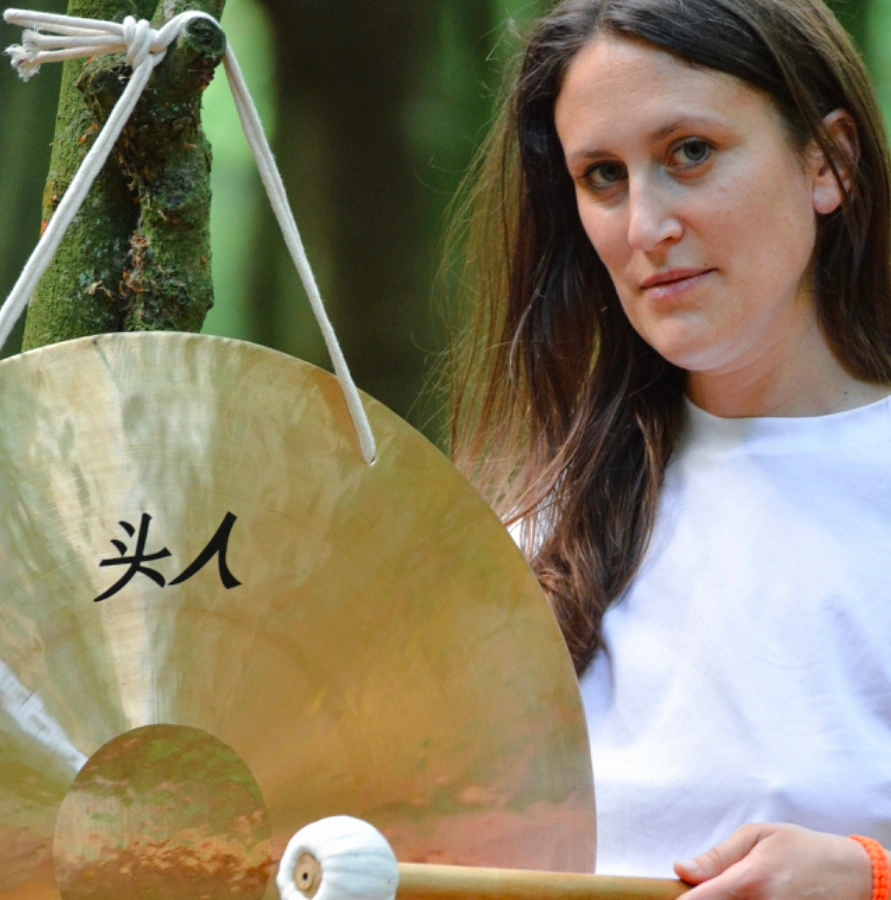
Eleonora is the founder of Re-Set-Pause. She is a RYT550 yoga teacher and a certified Ayurvedic Yoga Massage and Pre/Post Massage therapist.
Looking to implement a wellbeing strategy in your company?
Get in touch to make it happen.
New to Re-Set-Pause?
Eleonora is the founder of Re-Set-Pause, a qualified Ayurvedic Yoga Massage therapist and a Yoga teacher based in East London. You can book a mobile treatment in Walthamstow, Leyton and Highams Park or in studio at Pause or East of Eden.
LOCATIONS: Walthamstow | Leyton | Highams Park
© 2026 Re-Set-Pause | Photography ©ThisisEngineering