

Burnout Prevention: How the Nervous System Works
Conversations about mental health and burnout prevention in the workplace rarely go deeper into what is happening physiologically, even though these signals can help us understand what someone is going through when they can’t put it into words. Physical signs like tension or fatigue are not a diagnosis, but they can prompt a supportive conversation. Learning to recognise them helps managers look after their teams, make more strategic decisions, and put burnout prevention into practice.
(Reading Time: 4′)
Let’s talk about the nervous system
Every workplace situation, from a surprise calendar invite to a looming deadline, is processed by the autonomic nervous system before anyone consciously decides how to respond. It has two main modes:
- Sympathetic (commonly called “fight or flight”): raises heart rate, tightens muscles, sharpens attention, and releases adrenaline and cortisol. It’s useful in short bursts.
- Parasympathetic (commonly called “rest and digest”): slows the heart, supports digestion, and helps with emotional regulation.
Three Workplace Scenarios for Burnout Prevention
Here are three common scenarios showing how the nervous system response appears in your employees’ bodies.
Sustained meeting load.
After several hours of back-to-back meetings with no breaks, the sympathetic branch remains dominant. Breathing becomes shallow, muscle tension builds in the neck and shoulders, and concentration declines. This is a predictable response to prolonged activation without recovery, and it is often mistaken for a lack of motivation.
What the person needs: short gaps between meetings, chatting about something else, a few minutes away from the screen, and slow, steady breathing.
How a yoga class helps: gentle movement and breath-led sequences release tension in the neck, shoulders, and hips, and teach the team a repeatable way to downshift between meetings.
Perceived threat in communication.
A curt email or unexpected criticism can trigger a rapid stress response: raised heart rate, jaw and shoulder tension, and narrowed attention. This is adaptive in a genuine emergency, but it can lead to reactive, less considered decisions in a professional setting.
What the person needs: a pause before responding. Even a short walk around the building or slow breathing allows the body to settle, so the reply comes from clear thinking rather than a threat response. For managers, clear and predictable communication reduces the number of these triggers.
How a sound bath helps: the specific sound frequencies generated by the instruments give the mind a single point of focus and encourage slower breathing. Regular sessions help people practise moving from alertness to calm, so they recover faster after a stressful exchange. It can also be a more inclusive practice, as it requires no physical activity, which some people may find uncomfortable in an office environment.
Extended working hours.
Regularly working late or staying available after hours keeps the body in a low-grade state of alertness. Sleep suffers, fatigue and muscle tension accumulate, and over time this shows up as irritability, reduced concentration, and slower recovery.
What the person needs: a clear end to the working day, protected sleep, and real time off. Managers can help by setting boundaries around after-hours work.
How a head massage helps: focused touch around the scalp, neck, and temples eases the tension that builds over long days and helps people wind down.
Why Awareness Is the First Step in Burnout Prevention
All three scenarios involve the same system shifting between activation and recovery. Healthy teams need both states, yet most working environments are structured to support only the first. Yoga, sound baths, and head massage are not cure-alls, but they give people practical, regular ways to switch from “fight or flight” to “rest and digest” before stress accumulates.
Awareness of how we function can improve team management and help employees feel less alone by validating the body’s response as normal and worth taking care of.
Share this email with your team and get in touch if you need support for your wellness strategy and activities. https://re-set-pause.com/contact/
Further reading
- The Burnout Report 2026, Mental Health UK
- Dealing with burnout when working from home, Mind
- Poor mental health costs UK employers £51 billion a year, Deloitte
- Burnout: signs, causes and ways to recover, Mental Health Foundation
- The unequal burden: UK working mothers bear brunt of parental stress and burnout, Deloitte, 2026
- Mindful2Work: combined exercise, yoga and mindfulness for stress in employees
- Yoga and mindful meditation and burnout in elderly care workers
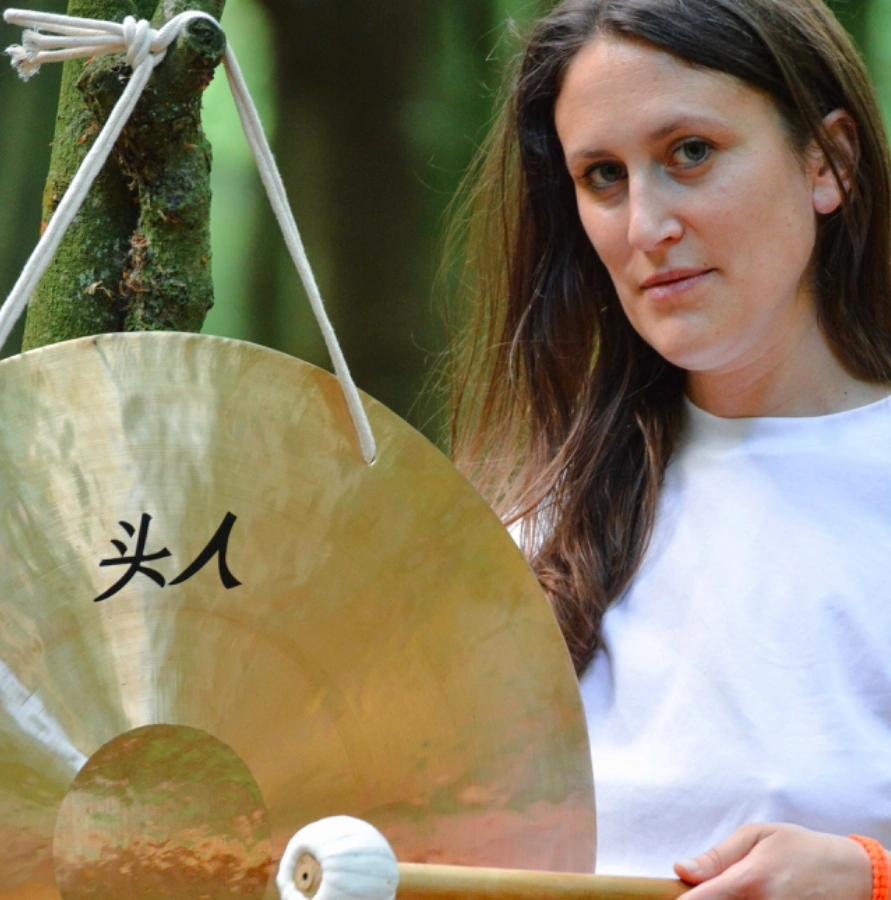
Eleonora is the founder of Re-Set-Pause. She is a RYT550 yoga teacher and a certified Ayurvedic Yoga Massage and Pre/Post Massage therapist.
Looking to implement a wellbeing strategy in your company?
Get in touch to make it happen.
New to Re-Set-Pause?
Eleonora is the founder of Re-Set-Pause, a qualified Ayurvedic Yoga Massage therapist and a Yoga teacher based in East London. You can book a mobile treatment in Walthamstow, Leyton and Highams Park or in studio at Pause or East of Eden.
LOCATIONS: Walthamstow | Leyton | Highams Park
© 2026 Re-Set-Pause | Photography ©Yan Krukau